How to Build a Winning Pitch Deck: Insights That Attract Investors
- Nina Fowler

- Jan 27, 2025
- 4 min read
Updated: Feb 2, 2025
A pitch deck is one of the most critical tools in an entrepreneur’s arsenal. It’s your opportunity to showcase your vision, validate your business idea, and convince investors that you’re worth betting on. But creating a winning pitch deck requires more than just good design - it’s about crafting a compelling story that aligns with what investors care about most.
This comprehensive guide will walk you through the key elements of a successful pitch deck, common mistakes to avoid, and tips to stand out from the crowd.
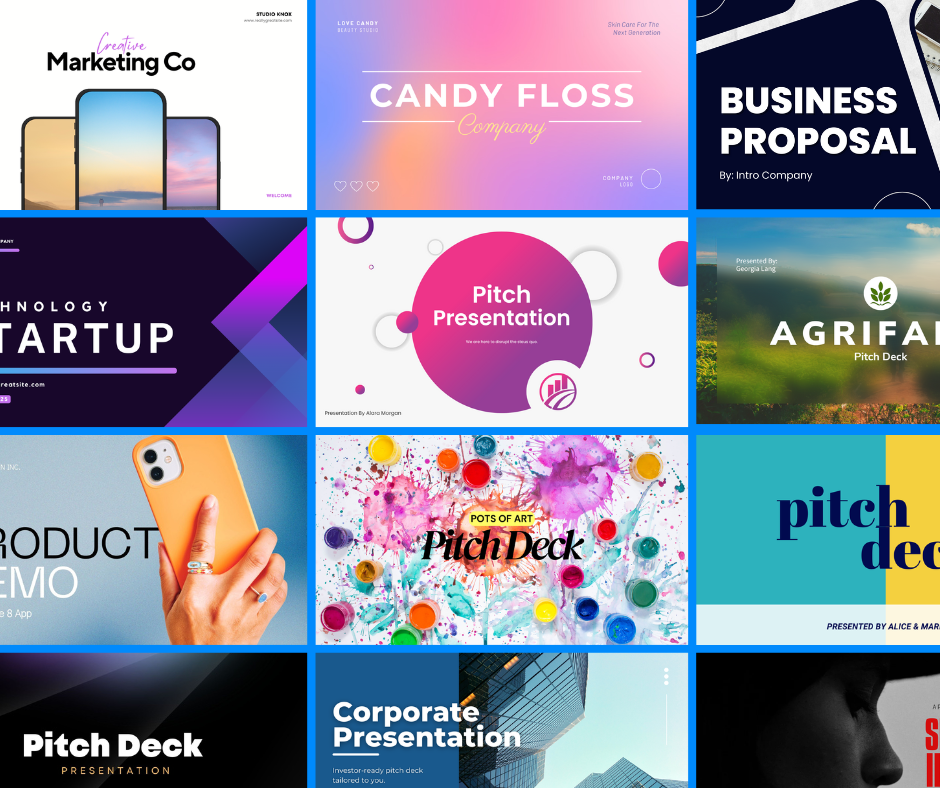
What Makes a Great Pitch Deck?
A great pitch deck is:
Concise: It gets your key points across without overwhelming investors. Aim for 10-15 slides.
Visually Engaging: Clean, professional design makes your content easier to digest.
Investor-Focused: It highlights the information investors care about - market size, revenue potential, and your team.
Data-Driven: Back up your claims with data and metrics to build credibility.
Story-Led: Investors invest in stories and vision, not just numbers. Tie everything together into a compelling narrative.
Key Sections of a Winning Pitch Deck
1. Cover Slide
Purpose: Make a strong first impression.
Include your company name, logo, and tagline.
Use a visually engaging image or design that aligns with your brand.
Tip: Your tagline should summarize your business in one impactful sentence. Example: “Revolutionising last-mile delivery with sustainable solutions.”
2. Problem
Purpose: Show that you’re solving a real and pressing problem.
Clearly articulate the pain point your target audience is experiencing.
Use statistics or real-world examples to highlight the urgency of the problem.
Tip: Avoid being vague—be specific about the scope and impact of the problem.
Example: “80% of small businesses struggle with cash flow management, leading to an average of 30% failure rates in their first three years.”
3. Solution
Purpose: Introduce your product or service as the answer to the problem.
Explain what your solution does and how it works.
Highlight the key benefits and unique features.
Tip: Keep it simple and avoid jargon. Use visuals like screenshots, diagrams, or videos to showcase your product.
4. Market Opportunity
Purpose: Demonstrate the size of the opportunity.
Provide data on your target market size (Total Addressable Market, Serviceable Addressable Market).
Highlight trends or gaps in the market that your business addresses.
Tip: Use credible sources for your data and ensure the numbers are realistic.
5. Business Model
Purpose: Show how your business will make money.
Clearly explain your revenue streams (e.g., subscription fees, direct sales, licensing).
Include pricing strategies and customer acquisition costs (CAC).
Tip: Use visuals like a simple flowchart to explain how value is created and captured.
6. Traction
Purpose: Prove that you’ve achieved momentum.
Highlight milestones like user growth, revenue figures, partnerships, or customer testimonials.
Include key metrics like Monthly Recurring Revenue (MRR) or retention rates.
Tip: If you’re pre-revenue, focus on user engagement or market interest (e.g., waitlist signups).
7. Go-to-Market Strategy
Purpose: Explain how you’ll acquire and retain customers.
Outline your marketing channels, sales strategies, and customer acquisition plan.
Highlight any competitive advantages, such as partnerships or proprietary methods.
Tip: Use a simple timeline or funnel diagram to illustrate your strategy.
8. Competition
Purpose: Show investors that you understand the competitive landscape.
Identify your key competitors and highlight your differentiators.
Use a positioning chart (e.g., price vs. features) to visually showcase your advantages.
Tip: Focus on why your solution is better, not just different.
9. Team
Purpose: Build trust by showcasing your team’s expertise.
Include photos, names, roles, and brief bios of key team members.
Highlight relevant experience and achievements.
Tip: If your team has gaps, acknowledge them and outline plans to address them.
10. Financials
Purpose: Demonstrate your business’s financial viability.
Include projections for revenue, expenses, and profitability over the next 3-5 years.
Highlight key metrics like customer lifetime value (LTV) and CAC.
Tip: Be realistic - investors will scrutinise overly optimistic numbers.
11. Ask
Purpose: Clearly state what you need and how it will be used.
Specify the amount of funding you’re seeking.
Outline how the funds will be allocated (e.g., product development, marketing, hiring).
Tip: Tie your ask to specific milestones, such as achieving product-market fit or scaling customer acquisition.
Common Mistakes to Avoid
Overloading with Information: Too much detail can overwhelm investors. Keep it concise and focus on key points.
Ignoring the Story: Data is important, but investors need to connect emotionally with your vision.
Neglecting Design: A poorly designed deck can make your business look unprofessional.
Vague Metrics: Be specific and back up your claims with credible data.
Lack of Focus: Ensure every slide ties back to your central narrative.
Pro Tips for a Standout Pitch Deck
Practice Your Delivery: A great deck is only as good as your presentation. Rehearse until you can deliver your pitch confidently and concisely.
Tailor to Your Audience: Adjust your deck based on whether you’re pitching to angel investors, VCs, or industry-specific backers.
Focus on Visuals: Use charts, graphs, and images to break up text and keep investors engaged.
Get Feedback: Share your deck with trusted advisors or mentors before presenting to investors.
Final Thoughts
A winning pitch deck is more than just a collection of slides - it’s your chance to show investors why your startup deserves their backing. By focusing on the problem you’re solving, the opportunity in the market, and the strength of your solution and team, you’ll create a compelling case for investment.
Remember, investors aren’t just investing in your idea - they’re investing in you. Show them your passion, preparation, and vision, and they’ll be more likely to believe in your business.
💡 Need help crafting your pitch deck? StartupCo.AI provides tailored tools to help founders create investor-ready decks that stand out. Let’s make your vision a reality!
Comments